

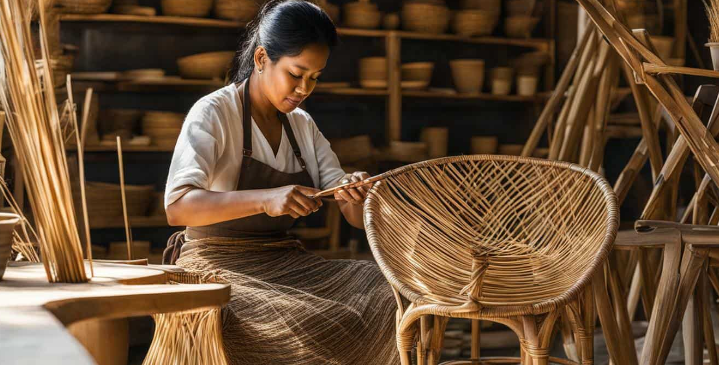
Rattan furniture has a long and storied history, tracing its origins back to ancient times and evolving over the centuries to become a staple in modern interior design. This versatile material, derived from the rattan palm, has been used to craft a wide range of furniture pieces, from simple baskets to elaborate chairs and tables. Understanding the history and evolution of rattan furniture offers insights into its enduring popularity and the craftsmanship that goes into each piece.
Ancient Beginnings
Rattan is a type of climbing palm found in tropical regions, particularly in Southeast Asia. Its long, flexible stems make it an ideal material for weaving and crafting. The use of rattan dates back thousands of years, with evidence of its use in ancient Egypt, where it was woven into baskets and mats. Similarly, in China, rattan was used to create various household items and furniture.
In these early societies, rattan was valued for its strength, flexibility, and abundance. It was relatively easy to harvest and process, making it a practical choice for everyday items. The traditional techniques of rattan weaving were passed down through generations, preserving the craftsmanship and artistry involved.
The Spread of Rattan Furniture
The popularity of rattan furniture spread beyond Asia through trade and colonization. During the Age of Exploration in the 16th and 17th centuries, European explorers and traders brought rattan furniture back to their home countries. The light, airy design of rattan pieces appealed to European tastes, and soon, rattan furniture became a fashionable choice for homes and gardens.
In the Victorian era, rattan furniture saw a significant rise in popularity. The intricate designs and durability of rattan made it a favorite for conservatories and sunrooms. Victorians appreciated the exotic appeal of rattan, and it became synonymous with luxury and leisure. This period also saw the introduction of more elaborate weaving techniques, adding to the aesthetic appeal of rattan furniture.
Rattan in the 20th Century
The 20th century brought significant changes to the production and design of rattan furniture. With the advent of industrialization, the process of crafting rattan furniture became more efficient, allowing for mass production. This made rattan furniture more accessible to a broader audience.
In the 1920s and 1930s, rattan furniture gained popularity in the United States, particularly in coastal regions like Florida and California. The casual, tropical look of rattan suited the relaxed, outdoor lifestyle of these areas. Iconic pieces like the rattan peacock chair became symbols of this era.
The mid-20th century saw further innovation in rattan furniture design. Influenced by the modernist movement, designers began to experiment with new forms and shapes, blending traditional weaving techniques with contemporary aesthetics. This period also saw the rise of companies specializing in rattan furniture, further solidifying its place in the market.
The Transition to Modern Manufacturing
Our company was established in the early 1930s as an exporter of rattan materials, riding the wave of rattan’s global popularity. However, in the 1970s, significant changes occurred. When the government halted the export of raw rattan materials, we pivoted to manufacturing rattan furniture. This transition marked a new chapter in our history, allowing us to control the entire production process and ensure the highest quality standards.
By the 1980s, our rattan furniture was being exported to England, Holland, the United States, Germany, Australia, Cyprus, and Denmark. This global reach highlighted the universal appeal of rattan furniture and its adaptability to various interior design styles. The export success also reflected the dedication and craftsmanship of our workers, who meticulously crafted each piece to meet international standards.
The Appeal of Rattan Furniture
Rattan furniture’s enduring appeal lies in its unique combination of beauty, functionality, and sustainability. The natural look of rattan adds warmth and texture to any space, making it a versatile choice for both indoor and outdoor settings. Its lightweight nature allows for easy movement and rearrangement, while its durability ensures that it can withstand the elements when used outdoors.
One of the key advantages of rattan furniture is its sustainability. Rattan is a fast-growing, renewable resource, making it an environmentally friendly choice. Unlike hardwoods, which take decades to mature, rattan can be harvested within a few years of planting. This rapid growth rate, combined with responsible harvesting practices, helps to preserve tropical forests and support local economies.
Rattan Furniture in Modern Interior Design
In recent years, rattan furniture has experienced a resurgence in popularity, driven by a growing interest in sustainable and eco-friendly design. Modern interior designers appreciate rattan for its natural aesthetic and versatility. It can be used to create a wide range of looks, from bohemian and coastal to minimalist and contemporary. Today’s rattan furniture designs often blend traditional craftsmanship with modern innovation. For example, some pieces incorporate metal or glass elements.