The Perfect Pair: Functional Retaining Walls and Cozy Furniture for Outdoor Living

A well-designed outdoor space is the perfect blend of function and comfort. Retaining walls not only serve a structural purpose by preventing soil erosion and managing elevation changes, but they can also enhance the aesthetic appeal of your landscape. When paired with cozy furniture, retaining walls can transform an ordinary yard into a stunning outdoor retreat. Here are six essential tips to create a seamless and inviting outdoor living area with retaining walls and furniture.

1. Choose Retaining Wall Materials That Complement Your Outdoor Aesthetic

The right materials for your retaining walls will enhance both durability and design. Consider the following options:

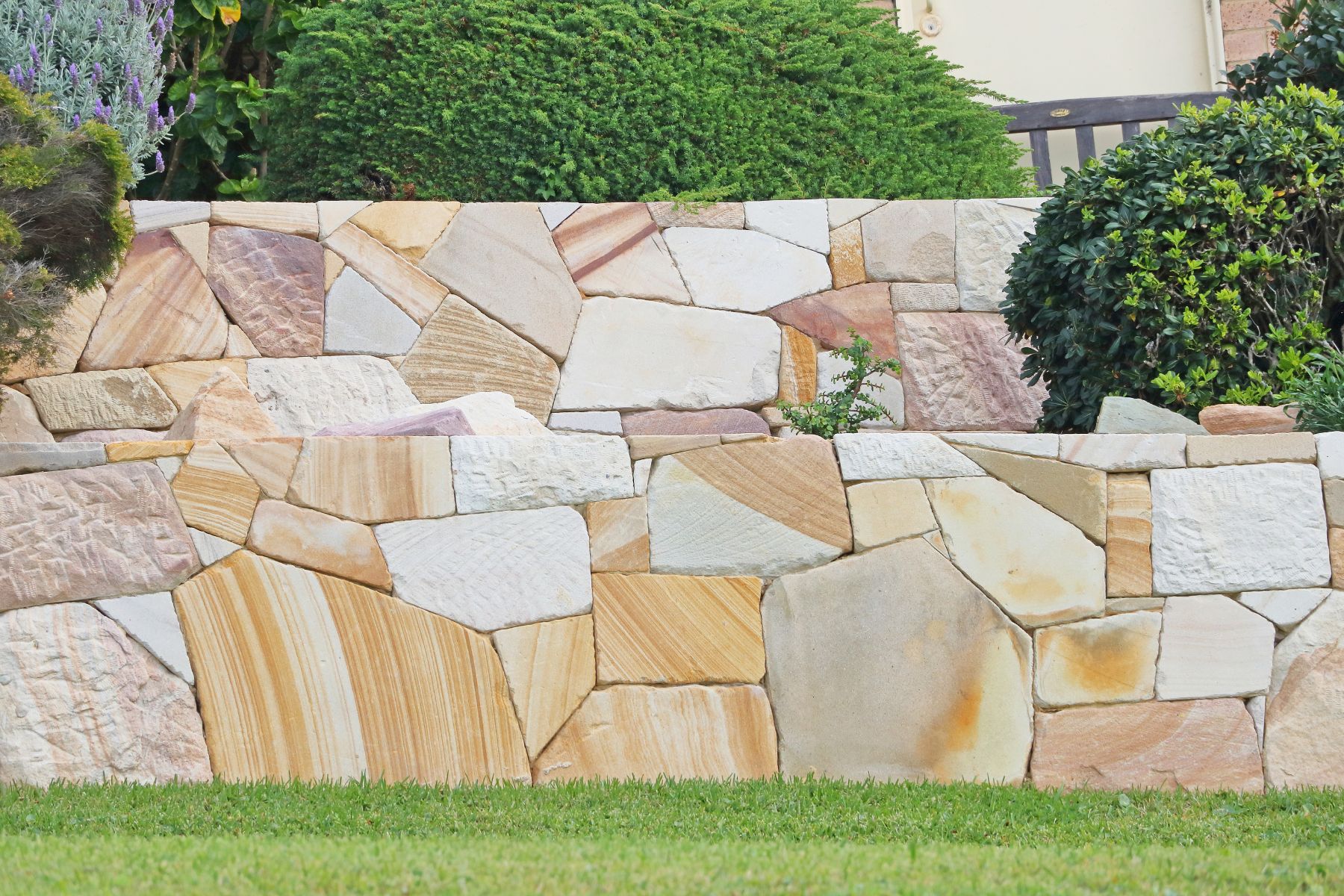
  • Natural Stone: A timeless choice that blends beautifully with lush gardens and rustic furniture.
  • Brick: Classic and elegant, brick pairs well with traditional wooden or wrought iron furniture.
  • Concrete Blocks: A versatile and modern choice that works well with contemporary outdoor furniture.
  • Wood: Ideal for a warm, organic feel that matches natural fiber furniture like rattan or wicker.

Selecting a material that complements your patio or garden furniture will create a cohesive outdoor look.

2. Incorporate Built-In Seating for Functionality

Maximize space and comfort by integrating seating into your retaining walls. Built-in benches or stone ledges provide extra seating while maintaining a sleek, uncluttered design. To enhance comfort:

  • Add cushions and outdoor pillows with weather-resistant fabric.
  • Use curved designs for a natural and inviting seating area.
  • Pair built-in benches with fire pits or outdoor tables to create a social hub.

3. Blend Landscaping with Hardscaping

A retaining wall should work in harmony with the surrounding landscape. Softening the hardscaping elements with greenery and flowers creates a more inviting space. Consider:

  • Planting climbing vines along walls for a lush, organic look.
  • Installing garden beds at different levels for visual interest.
  • Using raised planters as part of the wall structure to add color and texture.

When combined with comfortable outdoor furniture, this balance between nature and structure makes the space feel more serene and welcoming.

4. Define Spaces with Multi-Level Designs

If your yard has varying elevations, retaining walls can be used to create multiple outdoor living zones. Different levels allow for:

  • Dining Areas: A patio table and chairs on one level with a retaining wall as a backdrop.
  • Lounge Areas: A lower level with a fire pit, sectional sofas, and soft lighting.
  • Garden Nooks: A cozy reading space with a hammock or daybed tucked into a terraced garden.

Each level should be furnished appropriately to ensure comfort and usability.

5. Use Lighting to Enhance Atmosphere and Safety

Proper lighting is essential to make your outdoor space usable at night while adding ambiance. Some effective lighting options include:

  • LED Strip Lighting: Installed under wall ledges to create a soft glow.
  • Solar-Powered Lanterns: Placed along retaining walls and seating areas.
  • String Lights: Draped around furniture or nearby trees for a cozy atmosphere.
  • Recessed Wall Lights: Built into the retaining walls for a sleek and modern look.

Thoughtful lighting enhances the functionality of both retaining walls and seating areas, making your space feel warm and inviting.

6. Choose Outdoor Furniture That Complements Your Retaining Walls

Your furniture should complement the color, texture, and material of your retaining walls for a cohesive design. Consider these furniture choices:

  • Wicker or Rattan: Works well with natural stone or wooden retaining walls for a relaxed, earthy vibe.
  • Metal or Wrought Iron: Complements brick walls for a classic, sophisticated feel.
  • Concrete or Modern Minimalist Pieces: Pairs well with sleek concrete retaining walls for a contemporary look.
  • Wooden Benches or Adirondack Chairs: Blend beautifully with rustic stone walls for a cabin-like aesthetic.

Invest in weather-resistant furniture to ensure durability and comfort year-round.

Final Thoughts

The perfect outdoor space combines structure and comfort, and retaining walls with cozy furniture create a harmonious balance. By selecting the right materials, integrating built-in seating, enhancing landscaping, and choosing the right lighting and furniture, you can transform your yard into a stunning retreat. Whether you’re hosting gatherings or enjoying quiet moments outdoors, a well-designed space with functional retaining walls and comfortable furnishings will elevate your outdoor living experience.…
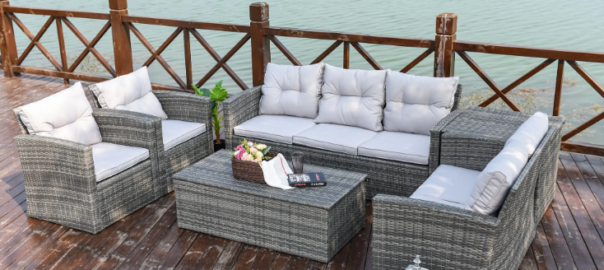
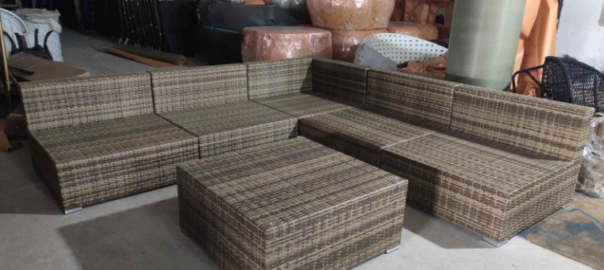
Designing a Trauma Healing Retreat House: 6 Tips for Creating a Nurturing Space with Good Furniture

A trauma healing retreat house is a sanctuary for emotional recovery, personal growth, and deep restoration. Thoughtful design, especially in selecting furniture and decor, plays a vital role in fostering a safe, nurturing, and supportive environment. The right combination of aesthetics and functionality can help guests feel secure, comfortable, and open to healing. Here are six essential tips for designing a trauma healing retreat house with good furniture choices.

1. Prioritize Comfort and Safety in Furniture Selection

One of the most critical aspects of a trauma-informed retreat space is ensuring that furniture is both comfortable and safe. Choose plush, cushioned seating that promotes relaxation, such as deep sofas, ergonomic chairs, and padded benches. Avoid sharp edges and fragile materials that could contribute to feelings of unease or insecurity. Opt for sturdy, well-crafted furniture made of solid wood, natural fabrics, and soft textures to create a grounded and inviting atmosphere.

Additionally, consider the arrangement of furniture. Open layouts with clear sightlines can help guests feel more at ease, whereas cluttered or confined spaces may induce anxiety. Ensure there is ample personal space for those who need solitude while also providing communal areas for social connection.

2. Use Calming and Natural Materials

The materials used in furniture and decor significantly impact the ambiance of a retreat space. Natural elements like wood, linen, cotton, wool, and bamboo create a warm, organic feel that enhances relaxation and grounding. Steer clear of synthetic materials, harsh plastics, or overly industrial designs that can feel impersonal or triggering.

A trauma-sensitive space benefits from soft textures, neutral colors, and nature-inspired patterns. Earth tones such as soft greens, warm beiges, and gentle blues evoke a sense of calm and stability. Layering different textures, such as knitted throws, woven rugs, and plush cushions, can further add to the sense of comfort.

3. Incorporate Multifunctional and Flexible Furniture

A well-designed trauma healing retreat house should accommodate various therapeutic activities, from meditation and yoga to group discussions and one-on-one counseling sessions. Using multifunctional furniture allows the space to remain adaptable to different needs.

Consider incorporating modular seating that can be rearranged easily, lightweight chairs that can be moved for group sessions, and extendable tables that support a variety of activities. Bean bags, floor cushions, and reclining chairs can provide different levels of seating comfort, catering to each guest’s preference.

4. Create Spaces for Solitude and Community

Healing from trauma requires a balance between solitude and connection. A trauma retreat should offer designated areas for quiet reflection, as well as communal spaces for support and shared experiences.

For solitary spaces, include cozy reading nooks with soft armchairs, meditation corners with floor cushions, and hammocks for relaxation. Place these areas near large windows with natural light or outdoor views to enhance the sense of peace.

For communal spaces, incorporate round tables to foster inclusivity and equality in group discussions. Arrange seating in a way that promotes both openness and personal space, ensuring guests feel comfortable engaging with others at their own pace.

5. Enhance the Healing Atmosphere with Sensory Elements

A trauma-sensitive retreat should engage the senses in a soothing and therapeutic way. Furniture can contribute to this by incorporating elements that promote sensory comfort.

  • Touch: Opt for soft, comforting fabrics like velvet, wool, and cotton to provide a tactile sense of security.
  • Sight: Use warm, natural lighting with dimmable fixtures to create a calming ambiance. Avoid harsh, bright lights that may feel overwhelming.
  • Sound: Consider incorporating sound-absorbing furniture, such as upholstered chairs and area rugs, to reduce noise and create a tranquil environment. Additionally, small indoor fountains or sound machines with gentle nature sounds can enhance relaxation.
  • Scent: Use furniture made from natural wood, which emits a mild, soothing fragrance. Integrate essential oil diffusers or scented candles with calming scents like lavender, chamomile, or sandalwood.

6. Integrate Nature for a Biophilic Design

Nature has profound healing effects on the mind and body. Incorporating biophilic design principles—bringing natural elements into the space—can enhance the restorative atmosphere of a trauma healing retreat house.

Use wooden furniture, stone accents, and indoor plants to create a harmonious connection with nature. Large windows and glass doors can maximize natural light, while furniture arranged around a central garden or courtyard can encourage outdoor relaxation. Rocking chairs on a porch, hanging egg chairs under trees, or wooden swings in a garden can further provide serene spots for reflection and healing.

Final Thoughts

Designing a trauma healing retreat house requires thoughtful attention to detail, with a focus on comfort, safety, and a nurturing atmosphere. Choosing the right furniture—soft, natural, flexible, and sensory-friendly—can help create a space that promotes relaxation, emotional healing, and personal growth. By integrating biophilic elements and offering both community and solitude, the retreat can become a true sanctuary for those seeking recovery and peace.

Whether you’re designing a retreat for a small group or a large community, these six tips will help ensure that your space provides the supportive environment needed for deep healing.…

From Curb to Comfort: Designing Beautiful Driveways and Cozy Furniture Spaces

Your home’s exterior and interior should work in harmony to create a welcoming, comfortable, and aesthetically pleasing environment. The journey from curb to comfort begins with a well-designed driveway and extends into thoughtfully arranged furniture spaces that make your home feel inviting and stylish. Whether you are looking to enhance curb appeal or create cozy indoor retreats, here’s how you can achieve a seamless transition between the two.

1. Designing an Inviting Driveway

The driveway is more than just a functional space for vehicles—it sets the stage for your home’s first impression. A beautifully designed driveway can boost curb appeal and make your property feel more polished and inviting.

Choosing the Right Material

Selecting the right driveway material is essential for both aesthetics and durability. Here are some popular options:

  • Pavers: Brick or stone pavers add elegance and charm to any driveway, creating a timeless look.
  • Stamped Concrete: This option allows you to mimic the appearance of natural stone or wood while providing a durable surface.
  • Gravel: A budget-friendly choice that offers a rustic, country-style aesthetic.
  • Asphalt: A classic, smooth surface that is cost-effective and easy to maintain.

Incorporating Landscaping

Lush greenery and decorative elements can make your driveway more welcoming. Consider:

  • Lining the driveway with shrubs or flowers to create a natural border.
  • Adding outdoor lighting along the edges for safety and ambiance.
  • Incorporating a stylish gate or entrance arch to enhance visual appeal.

2. Creating a Smooth Transition to Your Entryway

A well-planned transition from your driveway to your front door can make your home feel more cohesive and inviting. Use these elements to create a warm welcome:

  • Pathways: A stone or brick walkway can guide guests from the driveway to the entrance in a charming way.
  • Front Porch Decor: A cozy front porch with comfortable seating, potted plants, and stylish outdoor rugs sets the tone for a relaxing home environment.
  • Statement Door: A bold-colored front door or one with glass panels adds personality and enhances the home’s entrance appeal.

3. Designing Cozy Furniture Spaces Indoors

Once guests step inside, the warmth and comfort of your interior should continue the welcoming atmosphere. Thoughtfully chosen furniture and arrangement can make a significant impact.

Choosing Comfortable and Stylish Furniture

Furniture should be both visually appealing and functional. Consider these factors:

  • Soft, plush seating: Sofas and chairs with deep cushions invite relaxation.
  • Warm, neutral tones: Earthy colors and soft pastels create a calming environment.
  • Natural materials: Wooden furniture, rattan accents, and linen fabrics add texture and warmth.

Arranging for Function and Flow

A cozy space is also about how furniture is placed. Keep these layout tips in mind:

  • Create conversation areas by grouping seating together around a coffee table.
  • Ensure easy movement by leaving enough space between furniture pieces.
  • Use rugs to define spaces and add warmth to the room.

4. Incorporating Lighting for Ambiance

Both outdoor and indoor lighting contribute to the comfort of a space. Use lighting strategically:

  • Soft, warm lights for living rooms and bedrooms create a relaxing mood.
  • Layered lighting with floor lamps, pendant lights, and table lamps adds depth and dimension.
  • Outdoor lighting such as string lights, lanterns, and pathway lights enhances curb appeal and safety.

5. Adding Personal Touches

The final step in designing a welcoming space is to incorporate personal elements that make your home uniquely yours. Consider:

  • Decorative pillows and throws for a cozy, lived-in feel.
  • Artwork and family photos that reflect your personality.
  • Scented candles or diffusers to create a comforting ambiance.

Final Thoughts

The journey from curb to comfort is about designing a seamless, inviting transition from your home’s exterior to its interior. A well-designed driveway sets the stage, while cozy furniture spaces complete the experience. By selecting the right materials, arranging furniture thoughtfully, and adding personal touches, you can create a home that is both beautiful and welcoming.…

Choosing the Perfect Rattan Furniture: A Buyer’s Guide

Rattan furniture is renowned for its natural beauty, durability, and versatility, making it a popular choice for a variety of interior styles. Whether you’re furnishing a cozy living room, a breezy patio, or a serene bedroom, rattan furniture can add warmth and elegance to your space. However, with so many options available, choosing the right pieces can be overwhelming. This comprehensive buyer’s guide will help you navigate the process, ensuring that you make informed decisions and select high-quality, ethically produced, and sustainably sourced rattan furniture.

Understanding Rattan: Natural vs. Synthetic

Before diving into the specifics of purchasing rattan furniture, it’s important to understand the difference between natural and synthetic rattan.

Natural Rattan:

Natural rattan is derived from the rattan palm, a climbing vine that grows in tropical regions. It is known for its strength, flexibility, and light weight. Natural rattan has a beautiful, organic texture and can be woven into various intricate designs. However, it requires proper care and maintenance, especially if used outdoors, as it can be susceptible to moisture and sun damage.

Synthetic Rattan:

Synthetic rattan, also known as resin or PE rattan, is made from polyethylene fibers designed to mimic the look and feel of natural rattan. It is highly durable, weather-resistant, and low-maintenance, making it an excellent choice for outdoor furniture. While it may lack the authenticity of natural rattan, synthetic rattan offers versatility and longevity, especially in harsh weather conditions.

Key Considerations for Choosing Rattan Furniture

Quality Indicators:

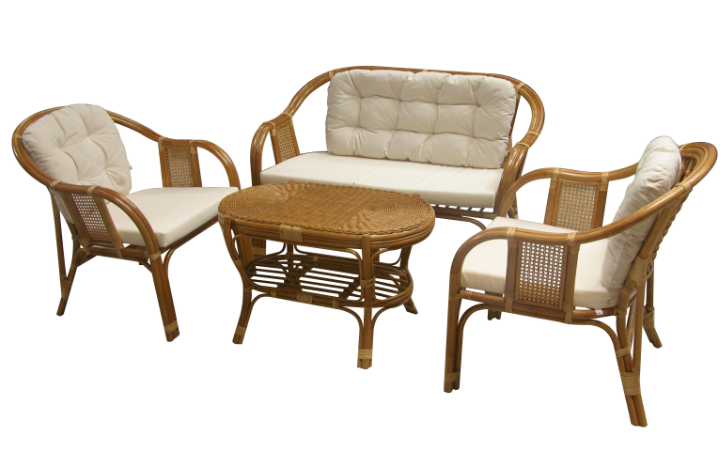
When selecting rattan furniture, look for indicators of quality craftsmanship. High-quality rattan pieces are typically made from tightly woven, evenly spaced strands with no loose ends or gaps. The frame should be sturdy, often made from solid wood or metal, ensuring stability and longevity. Inspect the finish to ensure it is smooth and even, with no rough edges or splinters.

Types of Rattan:

Rattan furniture can be made from different parts of the rattan palm, including the core and the peel. The core is the solid inner part, which is durable and commonly used for structural elements. The peel, or outer layer, is flexible and used for weaving intricate patterns. Understanding these types can help you assess the durability and design of the furniture.

Style and Design Options:

Rattan furniture comes in a wide range of styles, from traditional to contemporary. Consider the overall aesthetic of your space and choose pieces that complement your existing decor. For a bohemian look, opt for rattan furniture with intricate weaves and natural finishes. For a modern feel, choose pieces with clean lines and minimalist designs. Rattan furniture is versatile and can be painted or stained to match any color scheme.

Sustainable and Ethical Sourcing:

Ethical considerations are crucial when purchasing rattan furniture. Ensure that the rattan is sustainably sourced from well-managed plantations that adhere to environmental regulations. Look for certifications from organizations such as the Forest Stewardship Council (FSC), which guarantee responsible forestry practices. Additionally, consider the ethical standards of the manufacturer, including fair labor practices and support for local communities.

Functionality and Comfort:

Consider how you will use the rattan furniture and choose pieces that meet your functional needs. For example, if you’re looking for outdoor seating, ensure the furniture is weather-resistant and easy to clean. For indoor use, prioritize comfort by selecting pieces with cushioned seats and backrests. Test the furniture for comfort and stability before purchasing.

Care and Maintenance of Rattan Furniture

Proper care and maintenance are essential to prolong the life of your rattan furniture, whether natural or synthetic.

For Natural Rattan

Regular Cleaning: Dust your rattan furniture regularly with a soft cloth or vacuum with a brush attachment to prevent dirt buildup.

Moisture Control: Avoid exposing natural rattan to excessive moisture. If used outdoors, cover or move the furniture indoors during rain. Wipe any spills immediately to prevent staining.

Sun Protection: Prolonged exposure to direct sunlight can cause rattan to fade and become brittle. Place furniture in shaded areas or use protective covers when not in use.

Humidity Control: Maintain proper humidity levels indoors to prevent rattan from drying out or becoming too brittle. Use a humidifier in dry climates if necessary.

For Synthetic Rattan

Cleaning: Clean synthetic rattan with a mild soap solution and a soft brush or cloth. Rinse with water and allow to air dry.

Weather Resistance: While synthetic rattan is designed to withstand the elements, covering the furniture during harsh weather conditions can extend its lifespan.

Storage: If possible, store synthetic rattan furniture indoors during the off-season to protect it from prolonged exposure to the elements.

When you’re ready to purchase rattan furniture, consider the following steps to ensure you make an informed decision. Look for reputable brands and retailers known for their quality rattan furniture and ethical practices. Read customer reviews and testimonials to gauge the reliability and satisfaction of previous buyers. Rattan furniture prices can vary widely based on quality, design, and brand. Compare prices from different sources to find the best value for your budget. Remember that higher prices often reflect better craftsmanship and durability.

If possible, visit showrooms or furniture stores to see and feel rattan pieces in person. This allows you to assess the quality, comfort, and aesthetics firsthand. Don’t hesitate to ask the retailer or manufacturer questions about the rattan’s sourcing, production processes, and care instructions. A knowledgeable seller should be able to provide detailed information and address any concerns.

For those in Richmond, VA, considering home improvements or renovations alongside your furniture purchases, spray foam insulation Richmond VA could be a valuable investment to enhance energy efficiency and comfort in your living spaces. Think about the energy savings per month that spray foam insulation can offer. 

Sustainability and Ethical Practices in Rattan Manufacturing

In an era increasingly defined by environmental consciousness and ethical consumerism, the rattan furniture industry stands out for its sustainable practices and commitment to responsible manufacturing. This article explores the sustainability of rattan as a raw material, the ethical considerations in its harvesting and production, and how companies, including ours, uphold these principles to meet the demands of conscientious consumers.

The Sustainability of Rattan

Rattan, derived from the rattan palm, is a fast-growing vine that thrives in tropical climates across Asia, Africa, and Australia. Unlike hardwood trees, which take decades to mature, rattan palms reach maturity within a few years of planting, making them a highly renewable resource. This rapid growth rate, coupled with efficient harvesting practices, ensures that rattan can be harvested sustainably without depleting natural resources or damaging fragile ecosystems.

Furthermore, rattan harvesting promotes forest conservation by providing an economic incentive to preserve tropical forests. Local communities often rely on rattan harvesting as a source of income, fostering sustainable livelihoods while protecting biodiversity and ecosystem services. Responsible rattan cultivation and harvesting practices help maintain forest ecosystems’ integrity, supporting wildlife habitats and mitigating climate change through carbon sequestration.

Ethical Considerations in Rattan Production

Ethical considerations play a crucial role in the rattan furniture industry, particularly concerning labor practices and community impact. At our company, we prioritize ethical sourcing and production standards to ensure fair treatment of workers and support for local communities.

Fair Labor Practices

We uphold fair labor standards throughout our operations, ensuring safe working conditions and fair wages for all employees involved in rattan harvesting and furniture production. Our workforce includes approximately 1,400 skilled workers who are integral to crafting high-quality rattan furniture pieces.

Community Engagement

We actively engage with local communities and rattan harvesting cooperatives to promote sustainable practices and support economic development. By partnering with local artisans and cooperatives, we empower communities to benefit from rattan harvesting while preserving their cultural heritage and traditional craftsmanship.

Responsible Sourcing

Responsible sourcing is fundamental to our commitment to ethical practices. We work closely with suppliers to ensure that rattan materials are harvested sustainably and in compliance with local regulations and international standards. This includes promoting biodiversity conservation and respecting indigenous land rights.

Environmental Impact and Conservation Efforts

The rattan furniture industry’s environmental impact is significantly lower compared to other materials like hardwoods or plastics. Rattan cultivation and harvesting require minimal chemical inputs and energy consumption, reducing greenhouse gas emissions and environmental footprint. Moreover, rattan’s natural biodegradability at the end of its lifecycle further minimizes waste and supports circular economy principles.

Efforts to enhance sustainability in rattan production include adopting eco-friendly manufacturing processes and investing in renewable energy sources. By optimizing resource use and minimizing waste generation, companies can mitigate environmental impact while meeting consumer demand for eco-conscious products.

Innovations in Sustainable Rattan Furniture

As consumer awareness of sustainability grows, so does the demand for innovative and eco-friendly rattan furniture designs. Manufacturers are increasingly incorporating recycled materials, natural finishes, and low-impact production techniques to create sustainable rattan furniture options.

Recycled Materials

Some manufacturers use recycled rattan or incorporate recycled materials into rattan furniture designs. This reduces dependence on virgin resources and supports a closed-loop approach to manufacturing.

Natural Finishes and Dyes

Natural finishes and dyes, such as water-based stains or plant-based coatings, are preferred for their minimal environmental impact. These eco-friendly finishes enhance rattan’s natural beauty while maintaining indoor air quality standards.

Design for Durability and Longevity

Designing rattan furniture for durability and longevity reduces the need for frequent replacements, extending product lifecycle and reducing overall environmental impact. High-quality craftsmanship and robust construction contribute to sustainable consumer choices.

Certifications and Standards

Certifications and standards play a crucial role in verifying sustainable practices and ethical standards in rattan furniture production. Organizations such as the Forest Stewardship Council (FSC) certify responsibly managed rattan plantations and ensure compliance with environmental and social criteria. Consumers can look for certifications and eco-labels on rattan furniture products to make informed purchasing decisions that support sustainability.

Sustainability and ethical practices form the cornerstone of responsible rattan furniture manufacturing, offering a pathway towards environmental stewardship and community support. At the heart of these principles lies a commitment to sustainable sourcing and production standards that minimize ecological impact and promote long-term forest conservation.

Rattan’s status as a fast-growing and renewable resource underscores its potential to support sustainable practices in the furniture industry. Unlike slow-growing hardwoods, rattan palms reach maturity within a few years, making them an environmentally sound choice for furniture production. By prioritizing sustainable harvesting techniques and forest management practices, companies can ensure that rattan cultivation supports biodiversity and ecosystem resilience.

Ethical production standards are equally crucial in ensuring the integrity of rattan furniture manufacturing. Upholding fair labor practices, safe working conditions, and fair wages for workers involved in rattan harvesting and furniture production not only fosters a positive working environment but also supports local economies. Collaborating with local communities and indigenous groups ensures that rattan harvesting respects cultural traditions and enhances socio-economic opportunities.

As consumer awareness of sustainability grows, so does the demand for eco-conscious products. The rattan industry responds by innovating and adapting to meet these expectations, embracing technologies that minimize waste, reduce energy consumption, and enhance product durability. Manufacturers increasingly invest in eco-friendly manufacturing processes, such as water-based finishes and recycled materials, to create rattan furniture that aligns with environmental standards without compromising style or quality.

The evolution of sustainable rattan furniture reflects a broader shift towards responsible consumption and environmental consciousness. By choosing rattan furniture crafted with sustainability in mind, consumers contribute to global efforts to combat climate change and preserve natural resources. Each piece of rattan furniture becomes not only a symbol of timeless elegance but also a statement of commitment to sustainable living practices.

Looking ahead, the rattan industry’s ability to innovate and adapt will continue to play a pivotal role in shaping the future of sustainable furniture. Embracing these principles ensures that rattan remains a preferred choice for eco-conscious consumers seeking stylish, durable, and responsibly sourced furnishings. By fostering a culture of sustainability.

Designing with Rattan: Tips and Trends

Rattan furniture has transcended its traditional roots to become a versatile and stylish choice for modern interior design. Whether you’re aiming for a bohemian retreat, a coastal oasis, or a minimalist haven, rattan furniture offers endless possibilities for creating inviting and visually appealing spaces. This article explores the design versatility of rattan, provides practical tips for incorporating it into different interior styles, and highlights current trends that showcase its enduring popularity.

The Timeless Appeal of Rattan

Rattan furniture’s timeless appeal lies in its natural beauty, durability, and flexibility in design. Originating from the rattan palm, a climbing vine found in tropical regions, rattan is renowned for its strength and lightweight properties, making it ideal for crafting furniture pieces that blend seamlessly into various decor schemes.

Historically, rattan furniture has been prized for its craftsmanship and aesthetic value. Its intricate weaving patterns and organic textures add warmth and character to any space, from living rooms and dining areas to bedrooms and outdoor settings. Rattan’s ability to evoke a sense of relaxation and casual elegance has made it a favorite among interior designers and homeowners alike.

Incorporating Rattan into Different Interior Styles

Bohemian and Eclectic Interiors

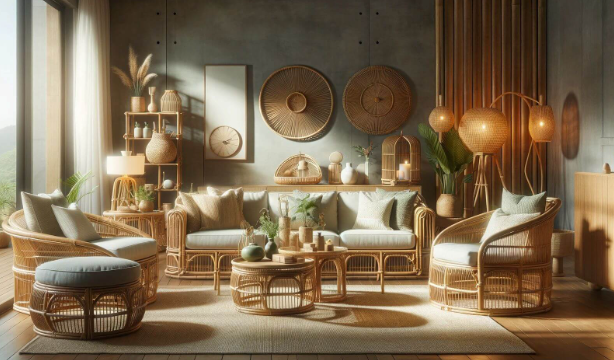
Bohemian interiors thrive on a mix of textures, patterns, and cultural influences. Rattan furniture, with its natural fibers and earthy tones, complements bohemian decor effortlessly. Consider incorporating a rattan peacock chair as a statement piece in a corner or using rattan coffee tables and side tables to create a relaxed, eclectic vibe.

Coastal and Tropical Themes

Rattan’s association with tropical climates makes it a perfect fit for coastal and beach-inspired interiors. Opt for light-colored rattan furniture pieces like sofas, armchairs, or bed frames to evoke a laid-back, seaside atmosphere. Pair these with blue and white accents, natural materials like sisal rugs or jute baskets, and tropical plants for a refreshing coastal retreat.

Minimalist and Scandinavian Designs

In minimalist and Scandinavian interiors, rattan furniture adds warmth and texture without overwhelming the clean, streamlined aesthetic. Choose sleek rattan dining chairs or bar stools with simple silhouettes and natural finishes to complement the simplicity of minimalist design. Keep the color palette neutral with whites, grays, and natural wood tones for a cohesive look.

Contemporary and Modern Spaces

Rattan has also found its place in contemporary and modern interiors, where designers embrace its organic appeal and ability to soften sleek, modern lines. Consider mixing rattan lounge chairs with metal or glass accents to create a balanced contrast of materials. Opt for sculptural rattan light fixtures or pendant lamps to add a touch of artistic flair to minimalist spaces.

Trends in Rattan Furniture

Mixing Materials

Contemporary trends in rattan furniture often involve mixing materials such as metal, glass, or upholstery to create visually dynamic pieces. Combining rattan with materials like brass or marble adds a touch of luxury and sophistication to traditional rattan designs.

Sustainable Designs

As sustainability becomes increasingly important, there is a growing demand for eco-friendly rattan furniture made from responsibly sourced materials. Look for pieces that use natural finishes and eco-conscious manufacturing processes, ensuring minimal environmental impact.

Indoor-Outdoor Versatility

Rattan’s natural durability makes it well-suited for both indoor and outdoor use. Current trends emphasize versatile rattan furniture that seamlessly transitions between indoor living spaces and outdoor patios or garden areas. Consider investing in weather-resistant rattan furniture pieces that can withstand the elements while maintaining their beauty.

Artisanal Craftsmanship

Handcrafted rattan furniture continues to appeal to discerning consumers who value traditional craftsmanship and unique, one-of-a-kind pieces. Artisanal techniques, such as intricate weaving patterns and custom designs, showcase the skill and artistry of master craftsmen, adding a personal touch to interior spaces.

Practical Tips for Decorating with Rattan

Start Small

If you’re new to incorporating rattan into your decor, start with smaller pieces such as side tables, accent chairs, or baskets. These pieces can easily complement existing furniture and decor while adding texture and visual interest.

Layer Textures

Rattan’s natural texture pairs well with other materials like wood, metal, and textiles. Layer different textures to create depth and dimension in your space. For example, combine a rattan sofa with plush cushions, a wool throw, and a sisal rug for a cozy, inviting living room.

Mix and Match Styles

Don’t be afraid to mix rattan furniture with pieces from different styles and periods. Eclectic interiors thrive on the contrast between old and new, traditional and modern. Incorporate vintage rattan furniture finds with contemporary pieces to create a curated, personalized look.

Use Rattan Accents

Rattan accents, such as mirrors, trays, or decorative wall hangings, can add a touch of natural elegance to any room. Consider incorporating rattan light fixtures or pendant lamps to create a focal point and illuminate your space with warm, ambient lighting.

Conclusion

Designing with rattan furniture not only enhances the aesthetic appeal of interior spaces but also contributes to creating environments that foster comfort and relaxation. The versatility of rattan allows it to seamlessly integrate into a wide range of interior styles, from eclectic and bohemian to modern and minimalist. Its natural texture and warm tones complement various color palettes and the decor themes, making it a versatile choice for both classic and contemporary homes alike.

For those drawn to bohemian retreats, rattan furniture serves as a cornerstone of the style, offering pieces that exude a laid-back, eclectic charm. Incorporating a rattan hanging chair or a vintage rattan screen can instantly create a cozy reading nook or a whimsical corner for relaxation. Pairing these pieces with vibrant textiles, layered rugs, and botanical accents enhances the bohemian vibe, reflecting a free-spirited and artistic approach to interior design. In coastal interiors, rattan’s association with tropical aesthetics makes it an ideal choice for creating a relaxed and breezy atmosphere. Opting for light-colored rattan furniture such as lounge chairs, coffee tables, or bed frames evokes the tranquility of seaside living.

Behind the Scenes: From Jungle to Living Room

Rattan furniture, admired for its natural beauty and durability, embodies a rich tradition of craftsmanship that begins deep in the jungles where rattan palms thrive. This article delves into the intricate process behind the creation of rattan furniture, from the harvesting of raw materials to the meticulous craftsmanship that transforms rattan into exquisite pieces for homes and gardens worldwide.

Harvesting Rattan: Sustainable Sourcing

The journey of rattan furniture begins in the lush jungles of tropical regions, where rattan palms grow abundantly. Rattan is a climbing vine that belongs to the palm family, known for its long, flexible stems that can reach up to hundreds of meters in length. Harvesting rattan is a delicate process that requires expertise and care to ensure sustainability and minimal impact on the environment.

Harvesting typically involves skilled workers who navigate dense forests to locate mature rattan palms. Unlike hardwoods, which require years to mature, rattan grows rapidly and can be harvested within a few years of planting. This rapid growth rate makes rattan a renewable resource, supporting sustainable practices in the furniture industry.

Once identified, rattan stems are carefully cut from the palms using machetes or knives. The stems are then trimmed to remove thorns and excess foliage, leaving behind clean, flexible poles ready for processing. Sustainable harvesting practices ensure that rattan palms continue to thrive in their natural habitat, preserving biodiversity and supporting local communities who depend on rattan harvesting for their livelihoods.

Processing Rattan: From Raw Material to Workable Material

After harvesting, rattan stems undergo several processing stages to prepare them for weaving and crafting. The first step is stripping the outer skin of the rattan stems, revealing the smooth inner core. This core is what provides the strength and flexibility needed for weaving.

Once stripped, rattan stems are sorted based on size, quality, and color. This sorting process ensures consistency in the final product and allows craftsmen to select the appropriate materials for specific furniture designs. The sorted rattan stems are then soaked in water or boiled to make them more pliable and easier to work with during the weaving process.

Weaving and Crafting: Artistry and Skill

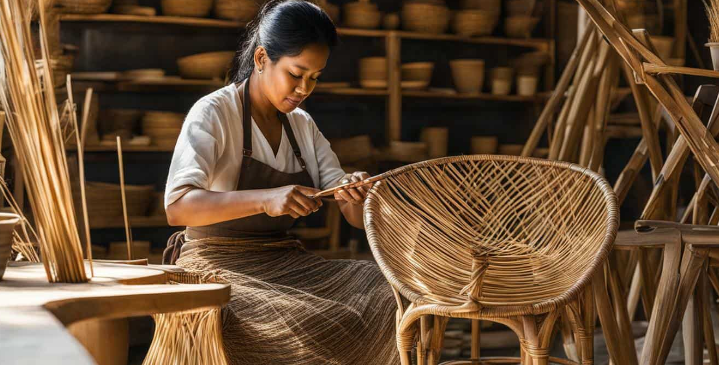
Weaving is perhaps the most critical and intricate phase in the creation of rattan furniture. Skilled artisans, often trained from a young age in traditional weaving techniques, meticulously weave rattan stems into intricate patterns and designs. These patterns can range from simple, classic weaves to more elaborate and decorative styles, depending on the intended furniture piece.

Traditional weaving methods vary depending on the cultural heritage and regional practices of the artisans. In Southeast Asia, for example, craftsmen use techniques such as wicker weaving, which involves weaving thin rattan strips over a frame to create lightweight and durable furniture pieces. Other techniques include cane binding, where rattan strips are tightly bound around a frame to create solid and sturdy furniture structures.

The weaving process requires precision, patience, and attention to detail. Each rattan strand is carefully placed and secured, ensuring that the final piece is not only aesthetically pleasing but also strong and resilient. Artisans may spend hours or even days weaving a single piece of furniture, depending on its complexity and size.

Assembly and Finishing Touches

Once the weaving is complete, rattan furniture pieces are assembled and finished with additional components such as metal or wooden frames, cushions, and decorative elements. Assembly involves securing woven rattan panels to frames using nails, screws, or traditional bindings, ensuring structural integrity and durability.

Finishing touches may include sanding, staining, or applying protective coatings to enhance the appearance and longevity of the furniture. These processes require skilled craftsmanship to achieve a smooth finish and uniform appearance across the entire piece.

Quality Control: Ensuring Excellence

Quality control is a crucial aspect of the manufacturing process at our company. We employ rigorous quality control measures at every stage, from harvesting to final assembly, to ensure that each rattan furniture piece meets our high standards of craftsmanship and durability.

Our quality control team, including two Filipino technicians dedicated to this task, conducts thorough inspections and tests to identify any defects or inconsistencies. They inspect the raw rattan materials for strength and flexibility before processing, monitor the weaving process to ensure uniformity and precision, and conduct final inspections to verify structural integrity and finish quality.

Sustainability and Environmental Responsibility

As advocates of sustainable practices, we prioritize responsible sourcing and manufacturing processes throughout our operations. By using renewable rattan resources and adhering to sustainable harvesting practices, we minimize our environmental footprint and support the long-term health of tropical forests.

Sustainability also extends to our commitment to ethical labor practices and community engagement. We work closely with local communities and rattan harvesting cooperatives to promote fair wages, safe working conditions, and opportunities for skills development.

The Artistry and Heritage of Rattan Furniture

The creation of rattan furniture is not just a manufacturing process; it is an art form that reflects centuries of cultural heritage and craftsmanship. Each piece of rattan furniture embodies the skill and dedication of the artisans who transform raw materials into functional works of art.

Our company’s journey in the rattan furniture industry is a testament to this rich tradition. From our humble beginnings as an exporter of rattan materials in the early 1930s to becoming a leading manufacturer of high-quality rattan furniture today, we have remained committed to preserving the artistry and heritage of rattan craftsmanship.

Conclusion

Behind every piece of rattan furniture lies a fascinating journey from the jungles where rattan palms grow to the living rooms and gardens where they bring comfort and beauty. The process of harvesting, processing, weaving, and crafting rattan furniture showcases the ingenuity, skill, and commitment of artisans dedicated to creating timeless pieces that enrich homes around the world.

As we continue to innovate and adapt to changing market trends, our commitment to quality, sustainability, and preserving the artistry of rattan furniture guides every aspect of our business.  Innovation in rattan furniture goes beyond aesthetic appeal; it encompasses advancements in sustainable materials, production techniques, and design innovation. We invest in research and development to explore new ways of utilizing rattan and integrating it with modern materials to enhance durability and versatility.

The History and Evolution of Rattan Furniture

Rattan furniture has a long and storied history, tracing its origins back to ancient times and evolving over the centuries to become a staple in modern interior design. This versatile material, derived from the rattan palm, has been used to craft a wide range of furniture pieces, from simple baskets to elaborate chairs and tables. Understanding the history and evolution of rattan furniture offers insights into its enduring popularity and the craftsmanship that goes into each piece.

Ancient Beginnings

Rattan is a type of climbing palm found in tropical regions, particularly in Southeast Asia. Its long, flexible stems make it an ideal material for weaving and crafting. The use of rattan dates back thousands of years, with evidence of its use in ancient Egypt, where it was woven into baskets and mats. Similarly, in China, rattan was used to create various household items and furniture.

In these early societies, rattan was valued for its strength, flexibility, and abundance. It was relatively easy to harvest and process, making it a practical choice for everyday items. The traditional techniques of rattan weaving were passed down through generations, preserving the craftsmanship and artistry involved.

The Spread of Rattan Furniture

The popularity of rattan furniture spread beyond Asia through trade and colonization. During the Age of Exploration in the 16th and 17th centuries, European explorers and traders brought rattan furniture back to their home countries. The light, airy design of rattan pieces appealed to European tastes, and soon, rattan furniture became a fashionable choice for homes and gardens.

In the Victorian era, rattan furniture saw a significant rise in popularity. The intricate designs and durability of rattan made it a favorite for conservatories and sunrooms. Victorians appreciated the exotic appeal of rattan, and it became synonymous with luxury and leisure. This period also saw the introduction of more elaborate weaving techniques, adding to the aesthetic appeal of rattan furniture.

Rattan in the 20th Century

The 20th century brought significant changes to the production and design of rattan furniture. With the advent of industrialization, the process of crafting rattan furniture became more efficient, allowing for mass production. This made rattan furniture more accessible to a broader audience.

In the 1920s and 1930s, rattan furniture gained popularity in the United States, particularly in coastal regions like Florida and California. The casual, tropical look of rattan suited the relaxed, outdoor lifestyle of these areas. Iconic pieces like the rattan peacock chair became symbols of this era.

The mid-20th century saw further innovation in rattan furniture design. Influenced by the modernist movement, designers began to experiment with new forms and shapes, blending traditional weaving techniques with contemporary aesthetics. This period also saw the rise of companies specializing in rattan furniture, further solidifying its place in the market.

The Transition to Modern Manufacturing

Our company was established in the early 1930s as an exporter of rattan materials, riding the wave of rattan’s global popularity. However, in the 1970s, significant changes occurred. When the government halted the export of raw rattan materials, we pivoted to manufacturing rattan furniture. This transition marked a new chapter in our history, allowing us to control the entire production process and ensure the highest quality standards.

By the 1980s, our rattan furniture was being exported to England, Holland, the United States, Germany, Australia, Cyprus, and Denmark. This global reach highlighted the universal appeal of rattan furniture and its adaptability to various interior design styles. The export success also reflected the dedication and craftsmanship of our workers, who meticulously crafted each piece to meet international standards.

The Appeal of Rattan Furniture

Rattan furniture’s enduring appeal lies in its unique combination of beauty, functionality, and sustainability. The natural look of rattan adds warmth and texture to any space, making it a versatile choice for both indoor and outdoor settings. Its lightweight nature allows for easy movement and rearrangement, while its durability ensures that it can withstand the elements when used outdoors.

One of the key advantages of rattan furniture is its sustainability. Rattan is a fast-growing, renewable resource, making it an environmentally friendly choice. Unlike hardwoods, which take decades to mature, rattan can be harvested within a few years of planting. This rapid growth rate, combined with responsible harvesting practices, helps to preserve tropical forests and support local economies.

Rattan Furniture in Modern Interior Design

In recent years, rattan furniture has experienced a resurgence in popularity, driven by a growing interest in sustainable and eco-friendly design. Modern interior designers appreciate rattan for its natural aesthetic and versatility. It can be used to create a wide range of looks, from bohemian and coastal to minimalist and contemporary. Today’s rattan furniture designs often blend traditional craftsmanship with modern innovation. For example, some pieces incorporate metal or glass elements.