

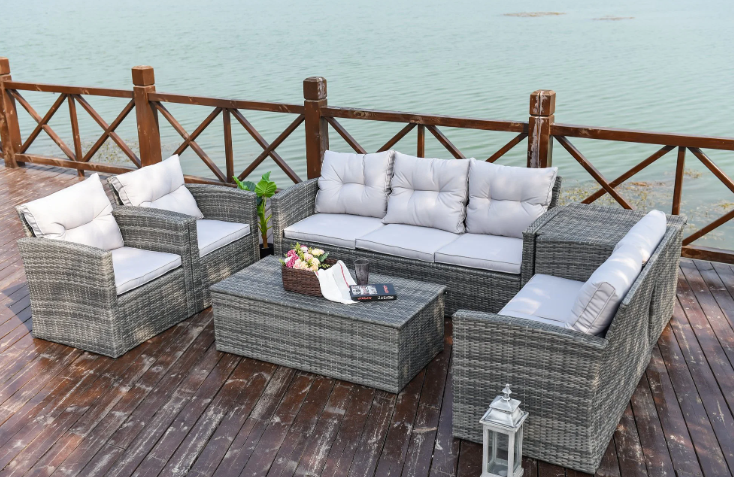
A trauma healing retreat house is a sanctuary for emotional recovery, personal growth, and deep restoration. Thoughtful design, especially in selecting furniture and decor, plays a vital role in fostering a safe, nurturing, and supportive environment. The right combination of aesthetics and functionality can help guests feel secure, comfortable, and open to healing. Here are six essential tips for designing a trauma healing retreat house with good furniture choices.
1. Prioritize Comfort and Safety in Furniture Selection
One of the most critical aspects of a trauma-informed retreat space is ensuring that furniture is both comfortable and safe. Choose plush, cushioned seating that promotes relaxation, such as deep sofas, ergonomic chairs, and padded benches. Avoid sharp edges and fragile materials that could contribute to feelings of unease or insecurity. Opt for sturdy, well-crafted furniture made of solid wood, natural fabrics, and soft textures to create a grounded and inviting atmosphere.
Additionally, consider the arrangement of furniture. Open layouts with clear sightlines can help guests feel more at ease, whereas cluttered or confined spaces may induce anxiety. Ensure there is ample personal space for those who need solitude while also providing communal areas for social connection.
2. Use Calming and Natural Materials
The materials used in furniture and decor significantly impact the ambiance of a retreat space. Natural elements like wood, linen, cotton, wool, and bamboo create a warm, organic feel that enhances relaxation and grounding. Steer clear of synthetic materials, harsh plastics, or overly industrial designs that can feel impersonal or triggering.
A trauma-sensitive space benefits from soft textures, neutral colors, and nature-inspired patterns. Earth tones such as soft greens, warm beiges, and gentle blues evoke a sense of calm and stability. Layering different textures, such as knitted throws, woven rugs, and plush cushions, can further add to the sense of comfort.
3. Incorporate Multifunctional and Flexible Furniture
A well-designed trauma healing retreat house should accommodate various therapeutic activities, from meditation and yoga to group discussions and one-on-one counseling sessions. Using multifunctional furniture allows the space to remain adaptable to different needs.
Consider incorporating modular seating that can be rearranged easily, lightweight chairs that can be moved for group sessions, and extendable tables that support a variety of activities. Bean bags, floor cushions, and reclining chairs can provide different levels of seating comfort, catering to each guest’s preference.
4. Create Spaces for Solitude and Community
Healing from trauma requires a balance between solitude and connection. A trauma retreat should offer designated areas for quiet reflection, as well as communal spaces for support and shared experiences.
For solitary spaces, include cozy reading nooks with soft armchairs, meditation corners with floor cushions, and hammocks for relaxation. Place these areas near large windows with natural light or outdoor views to enhance the sense of peace.
For communal spaces, incorporate round tables to foster inclusivity and equality in group discussions. Arrange seating in a way that promotes both openness and personal space, ensuring guests feel comfortable engaging with others at their own pace.
5. Enhance the Healing Atmosphere with Sensory Elements
A trauma-sensitive retreat should engage the senses in a soothing and therapeutic way. Furniture can contribute to this by incorporating elements that promote sensory comfort.
- Touch: Opt for soft, comforting fabrics like velvet, wool, and cotton to provide a tactile sense of security.
- Sight: Use warm, natural lighting with dimmable fixtures to create a calming ambiance. Avoid harsh, bright lights that may feel overwhelming.
- Sound: Consider incorporating sound-absorbing furniture, such as upholstered chairs and area rugs, to reduce noise and create a tranquil environment. Additionally, small indoor fountains or sound machines with gentle nature sounds can enhance relaxation.
- Scent: Use furniture made from natural wood, which emits a mild, soothing fragrance. Integrate essential oil diffusers or scented candles with calming scents like lavender, chamomile, or sandalwood.
6. Integrate Nature for a Biophilic Design
Nature has profound healing effects on the mind and body. Incorporating biophilic design principles—bringing natural elements into the space—can enhance the restorative atmosphere of a trauma healing retreat house.
Use wooden furniture, stone accents, and indoor plants to create a harmonious connection with nature. Large windows and glass doors can maximize natural light, while furniture arranged around a central garden or courtyard can encourage outdoor relaxation. Rocking chairs on a porch, hanging egg chairs under trees, or wooden swings in a garden can further provide serene spots for reflection and healing.
Final Thoughts
Designing a trauma healing retreat house requires thoughtful attention to detail, with a focus on comfort, safety, and a nurturing atmosphere. Choosing the right furniture—soft, natural, flexible, and sensory-friendly—can help create a space that promotes relaxation, emotional healing, and personal growth. By integrating biophilic elements and offering both community and solitude, the retreat can become a true sanctuary for those seeking recovery and peace.
Whether you’re designing a retreat for a small group or a large community, these six tips will help ensure that your space provides the supportive environment needed for deep healing.